
Counselling Courses in Cambridge
The Definitive Guide
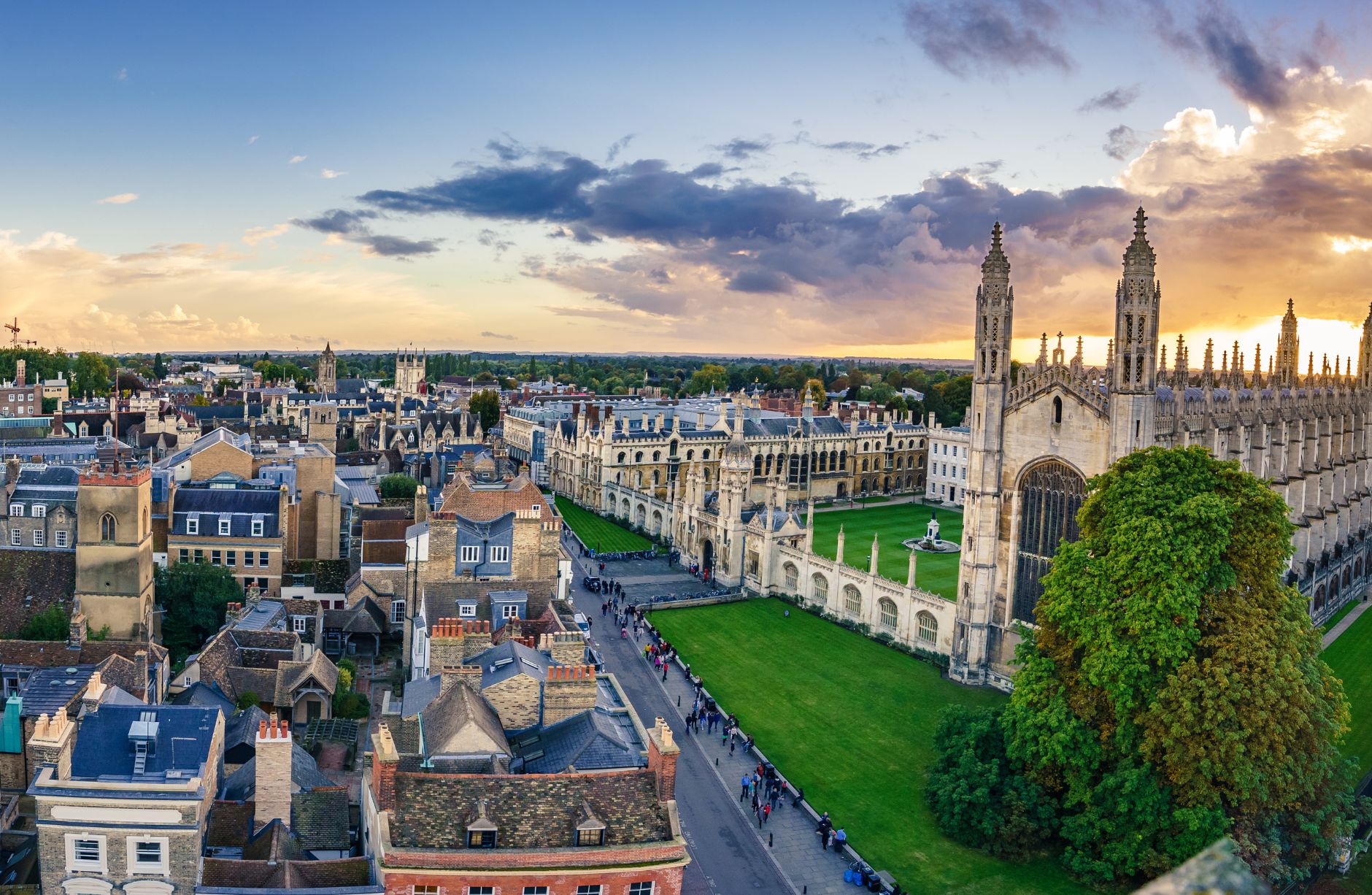
Are you interested in pursuing or developing a career in counselling?
Discover the range of counselling courses Cambridge has to offer with our informative guide.
From beginner to experienced practitioner, we’ve got you covered with all the essential details you need to choose the right course for you.
Take the next step on your counselling journey today!
1. Counselling in Cambridge
2. Qualifications available
3. Cambridge course providers
4. Classroom Vs Online
5. Why choose Connect?
1. What does counselling in Cambridge look like?
Join our Cambridge CPCAB courses!
 |
| Enrol for our Cambridge-based CPCAB courses and kick start your journey to becoming a qualified counsellor! |
Considering a career in counselling in Cambridge? Here’s a snapshot of the vibrant counselling scene in this iconic city!
As a counsellor, Cambridge is an extraordinary city to both live and work in. Combining world-renowned academic heritage with a cutting-edge science and innovation sector, Cambridge provides a unique professional environment where historical tradition meets modern clinical excellence. With a rapidly growing population and an increasing regional emphasis on mental health, there is a significant and rising demand for therapeutic services across the city. This provides aspiring and qualified counsellors with a wealth of opportunities, from establishing a private practice in the city’s historic quarters to working within the NHS or Cambridge’s robust charitable sector. Cambridge’s diverse community, ranging from its large international student and researcher population to its long-standing local residents, offers practitioners the chance to engage with a wide spectrum of backgrounds, cultures, and therapeutic needs.

Cambridge is home to a deeply interconnected network of mental health services that foster a genuinely supportive professional community. The city is vibrant and welcoming, offering an exceptional quality of life with its picturesque historic architecture, tranquil university gardens, and open green spaces along the River Cam. For a counsellor, this setting provides not only a beautiful backdrop for work but also a calming environment that supports personal wellbeing. Whether you are attending a professional development workshop at a local training institute or networking with peers near the biomedical campus, you will find that Cambridge’s mental health sector is defined by collaboration and a shared commitment to excellence.
Mental health has become a defining priority for Cambridge and the wider Cambridgeshire region. In recent years, local health partnerships and local government bodies have implemented ambitious strategies aimed at tackling health inequalities and improving emotional resilience across the city. This commitment is visible in integrated community initiatives and primary care networks that connect social prescribing and community-led support to help residents lead healthier, more connected lives. This city-wide focus on early intervention and holistic care ensures that mental health remains at the forefront of local policy, creating a stable and evolving landscape for mental health professionals to thrive in.
The city is supported by a sophisticated infrastructure where the NHS, private clinics, and local charities work in tandem. A key example of this collaborative spirit is the Cambridgeshire & Peterborough Mental Health Partnership network, which brings together various organisations to streamline support and share resources. For a qualified counsellor, this means you are never working in isolation; you are part of a massive, city-wide effort to transform lives. The demand for skilled professionals is constant, especially as local authorities continue to prioritise efforts to close the gap in service provision for vulnerable groups, students, and diverse local neighbourhoods, offering you a genuine opportunity to make a lasting impact on the local community.
Cambridge offers an expansive range of pathways for counsellors at every stage of their career. The city’s infrastructure allows you to specialise in niche areas, such as student mental health, youth counselling, trauma recovery, or affordable community-based support. Whether you want to work in a clinical NHS setting or a grassroots community hub, the variety of organisations in Cambridge is impressive.
Here are a few key examples of the organisations that form the backbone of Cambridge’s mental health provision:
- NHS Cambridgeshire & Peterborough Talking Therapies: The primary NHS Talking Therapies service for the region, offering evidence-based treatments such as CBT and counselling to adults across Cambridge.
- The Cogwheel Trust: A long-standing local charity providing affordable, high-quality counselling to the Cambridge community on a sliding-scale fee basis according to income.
- Centre 33: A dedicated young people’s service in Cambridge supporting individuals up to the age of 25 with mental health, counselling, and holistic wellbeing support.
- CPSL Mind: A major local mental health charity promoting positive wellbeing and delivering recovery-focused support and crisis services across Cambridge.
- University of Cambridge Student Support Services: Provides extensive clinical and therapeutic support to a student population of over 20,000, offering vital roles in student counselling and mental health advice.
- The Group Therapy Centre: A long-established, not-for-profit psychological treatment service offering short and long-term group therapy in Cambridge.
- Lifecraft: A user-led organisation for adults in the Cambridge area offering mental health support, creative recovery groups, and community resources.
This is only a snapshot of the opportunities available! Cambridge is a city where professional growth is encouraged and where the need for compassionate, qualified counsellors continues to grow. In the following sections, we’ll explore the specific training providers in Cambridge that can help you gain the qualifications needed to join this rewarding professional landscape.
2. What qualifications are available to me?
If Cambridge sounds like the place to start your career in counselling, the good news is that there are a few different options available to help you get going.
But, before we get stuck in, we should quickly take some time to clear up the difference between what you need to do and should do to start working as a counsellor in Cambridge.
You might be surprised to know that anyone can call themselves a counsellor and start working with clients – without any qualifications at all! This is because counselling is not yet legally regulated as a profession in the UK. Hopefully, you can see that this isn’t a great idea, though!
As a counsellor, you will be faced with challenging and sensitive situations, and, as such, it’s strongly advised that you undertake an appropriate qualification to ensure that you have the right skills and knowledge to handle these effectively. It’s also worth noting that employers and clients are increasingly seeking out counsellors with a qualification accredited by a professional body. This is because this accreditation process provides assurance that the counsellor has undertaken rigorous training and meets certain standards.
In the UK, there are two major professional bodies for counselling, and qualifications accredited by both of these are on offer in the Cambridge area. Let’s have a look at these two bodies.
The British Association for Counselling and Psychotherapy (BACP)
The BACP is the larger of the two bodies and, in fact, the largest professional body for counselling in the UK. The BACP has a reputation for upholding high ethical standards amongst its members. As such, BACP membership is a distinguishing mark that will help you to find employment and clients in the Cambridge counselling market.
So, how does one become a BACP member? Well, for this, you need to meet specific criteria – one of which is completing an approved core practitioner qualification. One example of a qualification pathway that can be used to gain BACP members is to undertake a series of CPCAB-accredited courses. We’ll use this pathway to illustrate the amount of study that is required to obtain BACP membership.
So, to qualify for BACP membership via the CPCAB qualification route, you need to have completed the:
CPCAB Level 2 Certificate in Counselling Skills – requires 170 hours of study
CPCAB Level 3 Certificate in Counselling Studies – requires 196 hours of study
CPCAB Level 4 Diploma in Therapeutic Counselling – requires 1,204 hours of study
There are a few providers that have BACP-accredited counselling courses in Cambridge – we’ll get to these shortly!
The National Counselling & Psychotherapy Society (NCPS)
The NCPS is the other major professional body for counselling in the UK. Similar to the BACP, you are required to meet specific criteria in order to gain membership to the NCS body. There are several providers that offer NCPS-accredited counselling courses in Cambridge – we’ll look at these in just a moment!
At Astranti Connect, we believe BACP membership is the better option of the two. You can read why we think this in our definitive guide to counselling qualifications.
Other options
If you do not intend to work as a counsellor – perhaps you’re looking to pick up some counselling skills for another professional role or for your own personal development – then undertaking a qualification to gain membership to a professional body might feel like a bit too much!
If this is the case, there are a few more options for counselling courses in Cambridge that you may wish to consider. Various organisations and individuals offer short counselling courses in Cambridge, some of which provide you with a short qualification that could contribute to BACP or NCPS membership in the future if you decide to study further. Others are not accredited, however, and it’s important to keep in mind that this means their quality may not have been checked by an external organisation.
3. Cambridge counselling course providers
In Cambridge, you’ll find many counselling course providers catering to various preferences and aspirations within the field of counselling. Your choice will depend on factors such as location, interests, and career goals.
Let’s explore the main options available:
Universities and Colleges
Traditional academic institutions in Cambridge offer a variety of pathways, ranging from introductory adult education to high-level clinical research degrees.
Cambridge Regional College (CRC): CRC provides accessible routes into adult education and introductory mental health courses. They offer foundational adult learning options that allow individuals to gain fundamental communication and helping skills before committing to full practitioner training.
Anglia Ruskin University (ARU) & University of Cambridge: For those interested in university-level research, postgraduate clinical pathways, and specialist therapeutic qualifications, ARU’s Cambridge campus offers specialist undergraduate and postgraduate degrees in music therapy, clinical psychology, and mental health studies. The University of Cambridge also provides high-level academic pathways in psychological and cognitive sciences.
Specialist providers
Specialist providers focus exclusively on counselling and psychotherapy, often providing a more immersive and community-focused training experience than general colleges.
Cambridge Counselling Training & Education (CCTED): A dedicated independent training centre located in Cambridge specialising in ethical practitioner training. They offer a 2-year CPCAB-accredited Level 4 Diploma in Therapeutic Counselling delivered in small training groups by experienced tutors and practitioners. Their training emphasises personal growth, client placement hours, and supervised practice designed to prepare students for professional body registration.
Aloe Counselling Training: Based nearby in Cambridgeshire, Aloe offers structured CPCAB-accredited routes from introductory levels through to the Level 4 Diploma in Therapeutic Counselling. Their courses align with the BACP ethical framework and NCPS pathways, focusing on small class sizes, practical triads, and practice-led learning.
Astranti Connect: Formerly known as the Devon and Cornwall Counselling Hub, we are proud to expand our reach to Cambridge learners. We specialise exclusively in CPCAB-accredited qualifications, which we believe offer the most rigorous path toward BACP membership. We provide the full suite of training from Level 2 through to Level 6. Our students value our small class sizes (capped at 18) and our tutors who are all practising counsellors. Our training is designed to be practice-ready, ensuring you have the skills to work safely and ethically from your very first placement.
Chrysalis Courses: Chrysalis offers Level 3 and Level 5 counselling courses accessible in the wider Cambridgeshire area. They are a popular choice for those interested in a combined approach, as they also offer specialised training in Hypnotherapy and Counselling.
4. Classroom vs Online: what should you choose?
You may have noticed that some of these counselling training providers in Cambridge offer both online and in-classroom courses. So, which one should you choose?
Well, unfortunately, there’s no simple answer to this question. Like choosing the best qualification and training provider, it really depends on your personal circumstances and what your counselling aspirations are!
But let us take you through some of the key considerations to help you make your decision.

Firstly, it’s important to be aware that if you want to be able to join a professional counselling body, such as the BACP or NCPS, a large proportion of your training will have to be in a classroom.
To illustrate how this works, let’s return to our earlier example – the CPCAB pathway to BACP membership. For this qualification pathway, the Level 2 and 3 courses can be taken online, but 75% of the Level 4 course (which is, by far, the largest of the three levels) has to be taught in person.
So, if you want to become a member of the BACP or NCPS at the end of your studies, you will need to choose either a blend of online and classroom or just classroom-based training – whichever you prefer! It’s important to note that some course providers offer online-only Level 4 courses, BUT you won’t be able to apply for BACP or NCPS membership using these qualifications.
It’s also important to be aware that, to qualify for BACP and NCPS membership, any online courses that you need to take need to be taught live over a video conferencing platform. This is because the professional bodies do not believe that students will be able to learn the necessary practical skills to become a counsellor via self-directed learning. Instead, they want to see that you have been able to interact and practise with your tutors and fellow students.
So, what are the advantages and disadvantages of taking an online-only or blended online and classroom counselling course?
The benefits of online counselling courses:
- A greater degree of flexibility
- Access to courses outside of your local area
- Reduced costs
The drawbacks of online counselling courses:
- Could experience technical difficulties
- More distractions at home
- May lose some social interaction
- You need to choose the right online course carefully!
All-in-all, there’s no right answer when it comes to a decision between classroom-only, blended or online-only counselling courses. It comes down to your own personal circumstances and preferences, and you should choose the best format for your goals and needs.
We have more information on this subject in our definitive guide to online counselling courses.
5. Connect courses
So, why do we think you should study with us?
We have experienced tutors
Connect tutors are all qualified counsellors with experience in teaching. Many are also practising counsellors and, when they aren’t teaching our classes, they continue to work with their own clients. Our tutors have a wealth of relevant, real-life experience and strong ties with the local counselling community.
We specialise in counselling
We have over 15 years of experience in counselling training and, unlike universities and colleges which offer a broad range of courses, our expertise and knowledge are focused on a small number of subject areas.
We are a national provider with centres across the country
If you’re not set on completing your counselling courses in Devon, but you’d like to take part in one of our classroom counselling courses, we also have counselling hubs in Bristol, Wiltshire, Norwich, Sheffield and Manchester. This also means you don’t have to be tied to one area throughout the course of your studies! We also have online options for Levels 2 and 3 and our post-qualification courses, offering additional flexibility. You can check out our full range of courses here.
We have a high Trustpilot rating
We are renowned as a high-quality training provider, as you can see from our excellent Trustpilot rating and reviews!

We have limited class sizes
Both our online and in-person courses have a maximum size of 16-18 people. This offers a great balance between plenty of tutor interaction and support and working and practising with a diverse range of people.
You will get access to our online community
We have an active online community, allowing you to learn from other students and support each other in your studies.
Our students must pass pre-course assessments
This helps to ensure our courses run as smoothly as possible, and you can rest assured that you and your fellow students are well-suited to the course.
We provide courses for Levels 2 to 6
This means once you pass one course, you can move on to another! Completing our Levels 2, 3 and 4 courses sets you up to apply for BACP membership to become a qualified, professional counsellor.
Our Connect courses
Whether you’ve decided a classroom or online course is best for you, we have lots of course options available to suit your needs!
We offer the following in-person courses at our Cambridge hub:
Level 2 Certificate in Counselling Skills
Level 3 Certificate in Counselling Studies
Level 4 Diploma in Therapeutic Counselling
Each of these courses is approved by the CPCAB, and completing the Level 4 Diploma provides a pathway to BACP membership. It also forms part of the CPCAB Open University Foundation Degree if you’d like to come away with a degree at the end of your studies.

If you’re after a bit more flexibility, we also offer live daytime and evening online courses for Levels 2 and 3 (remember, these can be completed online as long as they’re live, but the majority of Level 4 must be completed in a classroom setting to qualify for BACP membership!).
Once qualified, we also offer a Level 5 Diploma in Psychotherapeutic Counselling and Level 6 Certificate in Therapeutic Counselling Supervision – because why stop there?
And, as we mentioned above, if you’re not sure you want to complete your counselling courses in Cambridge, we also have counselling hubs in Bristol, London, Milton Keynes, Sheffield and Manchester. You can check out our full range of courses here.
Want to talk to someone about your next course options?
If you have any questions about Astranti Connect’s counselling courses in Cambridge, you can have a free 1-2-1 call with one of our Connect student advisors!
Head to your relevant course page below to book yours:
Comments
Illustration by Storyset.